A Rare Caravaggio in Rome: the Portrait of Maffeo Barberini on Free Display until 21 June
For a few weeks, in the heart of Rome, you can see up close a painting that until recently almost no one had been able to admire. It is the Portrait of Monsignor Maffeo Barberini, one of…

In this article
For a few weeks, in the heart of Rome, you can see up close a painting that until recently almost no one had been able to admire. It is the Portrait of Monsignor Maffeo Barberini, one of the extremely rare portraits to have come from Caravaggio’s brush, recently acquired by the Italian State for thirty million euros. Before entering Palazzo Barberini permanently, the work is on free display at the Senate Library, a stone’s throw from the Pantheon, until 21 June 2026. It is well worth the detour.
A portrait that waited centuries
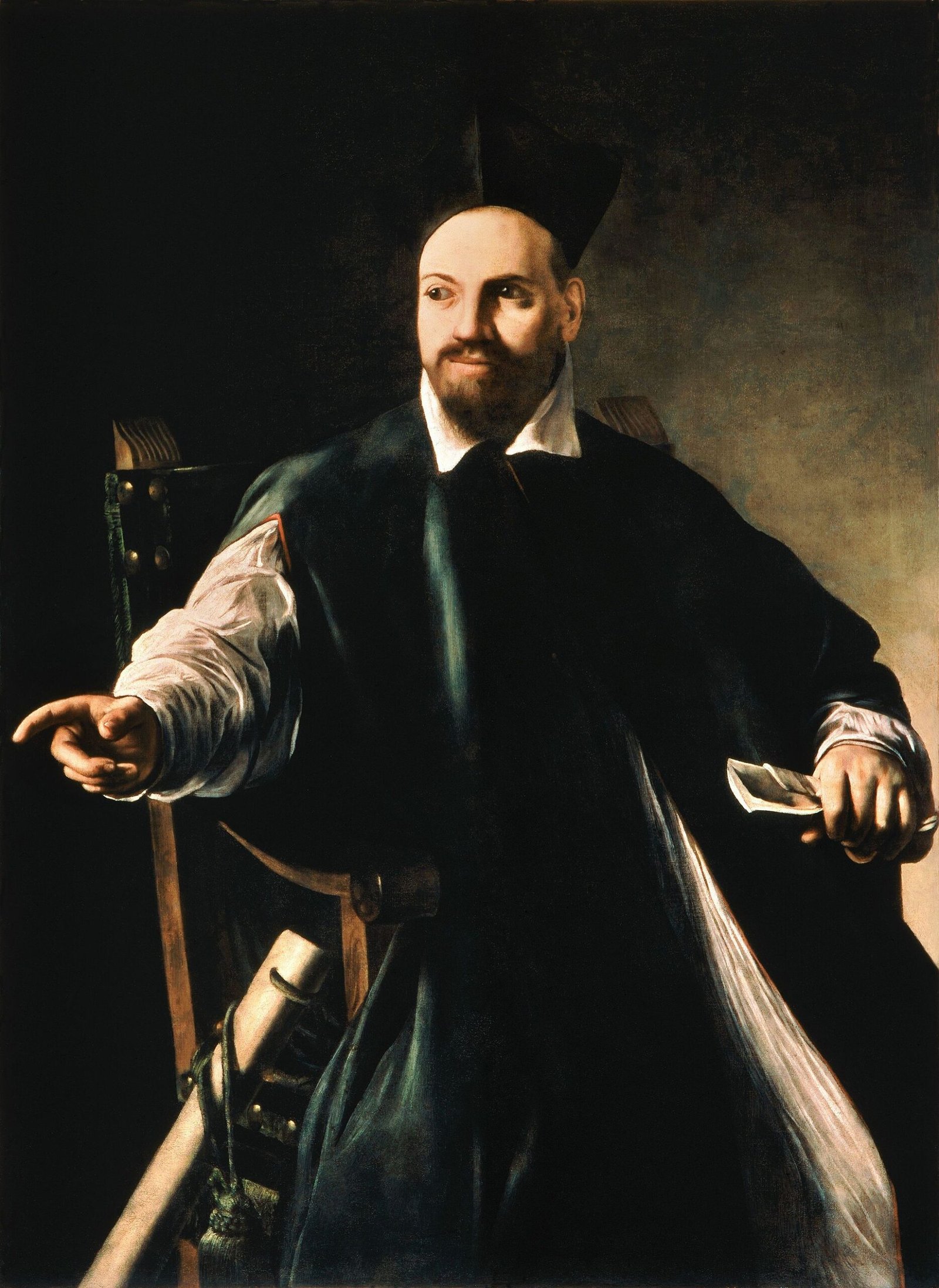
Caravaggio left behind only a few dozen authenticated works, and among these the true portraits can be counted on the fingers of one hand. This is one of them. Painted around 1598, when the Lombard artist was still a young man seeking fame in Rome, the canvas remained for decades in a private Florentine collection, far from the public eye and almost inaccessible to scholars.
It was Roberto Longhi, one of the greatest art historians of the twentieth century, who recognised it in 1963 as a fundamental work — one of the founding moments of modern portraiture. For the public, however, the wait was very long indeed: the painting was shown for the first time only in 2024, and in March 2026, after more than a year of negotiations with its owners, it finally became the heritage of all.
Standing before the canvas, it is worth pausing to observe how Caravaggio constructs the presence of the sitter: light cuts across the face and garments, one hand is suspended in an interrupted gesture, the gaze seems directed at someone just outside the frame. This is not the solemn, static pose of portraits of the era, but a moment caught from life. It is precisely this naturalness — revolutionary at the time — that leads scholars to speak of a turning point in the history of portraiture.
Who was Maffeo Barberini
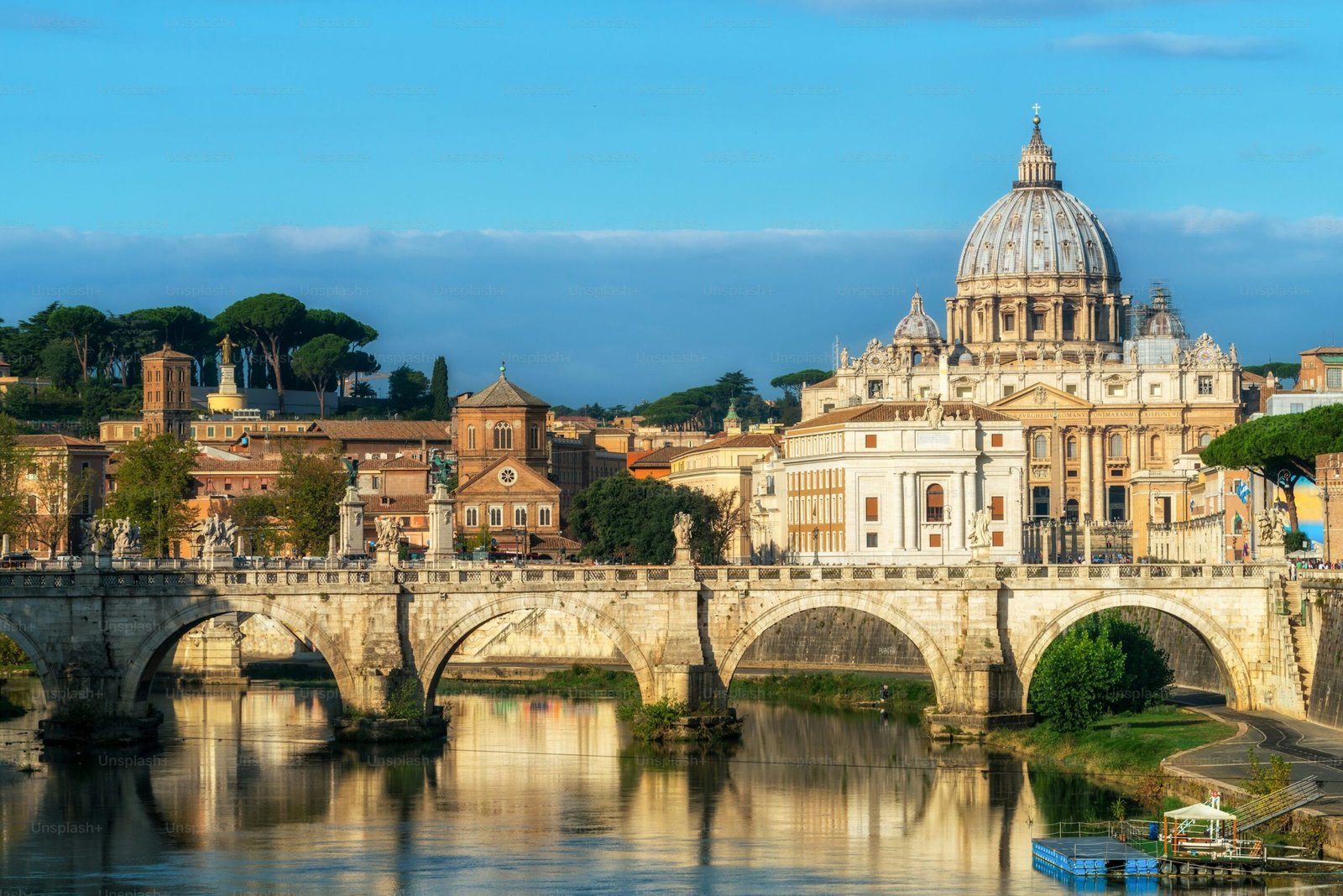
The man in the portrait is in his thirties and wears the robes of a cleric of the Apostolic Chamber. He is caught at the height of a rising career, and that career would take him very far: in 1623 Maffeo Barberini would be elected pope under the name Urban VIII. Under his pontificate, Rome became the capital of the Baroque.
It was he who summoned Gian Lorenzo Bernini to court and entrusted him with, among other things, the great bronze baldachin above the altar of St Peter’s. The bees of the Barberini family coat of arms ended up carved on fountains, palaces and monuments all across the city. To look at this portrait, then, is to look the young man in the face who would shortly afterwards shape the Baroque face of Rome.
Where and when to see it
The work is displayed in the Sala Capitolare of the Senate Library, inside Palazzo della Minerva, in Piazza della Minerva — the small square just behind the Pantheon, recognisable by the little elephant bearing an obelisk, designed by Bernini himself.
- Dates: 28 May to 21 June 2026
- Opening hours: Monday to Friday 10:00–20:00; Saturday, Sunday and 2 June 10:00–18:00
- Admission: free, no booking required
It is worth going in the early morning or shortly before closing, when the room is less crowded: before a work like this, a few minutes of quiet makes all the difference.
A painting and a stroll
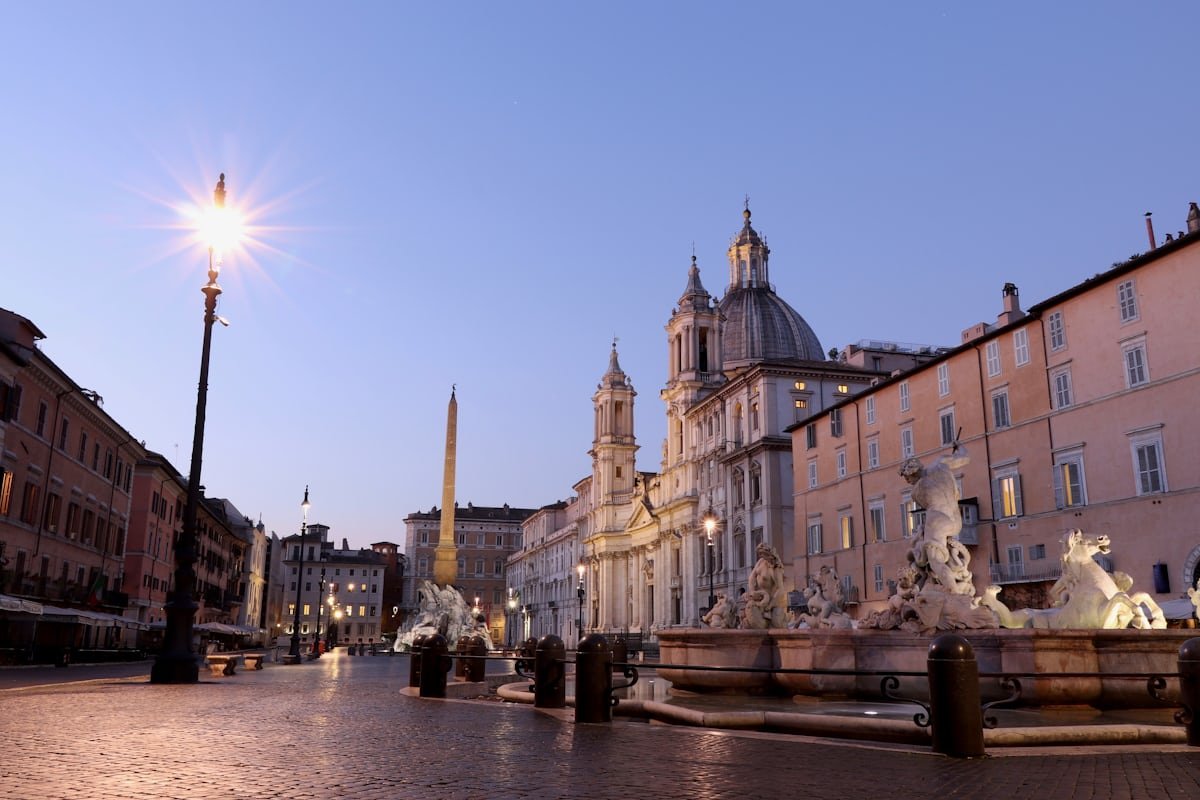
The beauty of it is that the exhibition falls in just the right part of the city. Stepping out of the Senate Library, within a few minutes on foot you reach the Pantheon, Piazza Navona with its Bernini fountain and the lanes of the historic centre. You can build half a Baroque day without taking a single form of transport, moving from the portrait of a future pope to the very squares that invented that same Baroque.
More Caravaggio in Rome, always free
And if the portrait ignites a desire to see more, Rome is one of the few cities in the world where you can admire Caravaggio masterpieces free of charge, in the very churches for which they were painted.
- At San Luigi dei Francesi, near Piazza Navona, the Contarelli Chapel houses three canvases dedicated to Saint Matthew, including the celebrated Calling of Saint Matthew: a small coin switches on the lights.
- At Sant’Agostino, a few steps away, you will find the Madonna of the Pilgrims, with its barefoot, dust-covered faithful that scandalised Caravaggio’s contemporaries.
- At Santa Maria del Popolo, in the Cerasi Chapel, the Conversion of Saint Paul and the Crucifixion of Saint Peter reveal Caravaggio at his most dramatic.
All three churches are in the historic centre, within walking distance of one another, and entry is free. It is a small open-air distributed museum that, over a few stays in Rome, is worth the journey on its own.
A base in the heart of Rome
To make the most of opportunities like this — a free exhibition lasting only a few weeks — it helps to have a base in the city centre and to be able to reach it on foot, without depending on public transport or traffic. Our properties in Rome are designed for those who want to experience the city at this pace: heading out early in the morning, when the galleries and piazzas are still empty, and returning whenever you please. A Caravaggio that has just entered the public heritage, displayed free of charge a short walk from home, is exactly the kind of surprise Rome knows how to offer those who inhabit it, even if only for a few days.
More ideas for Rome

Rome Turns Pink on 31 May: A Practical Guide to the 2026 Giro d’Italia Grande Arrivo
On Sunday 31 May, Rome closes the Giro d’Italia for the fourth year in a row. Route EUR-Ostia-Circo Massimo, eight laps under the Colosseum, practical times, the best free spots to watch the peloton pass, and the morning Family Ride.
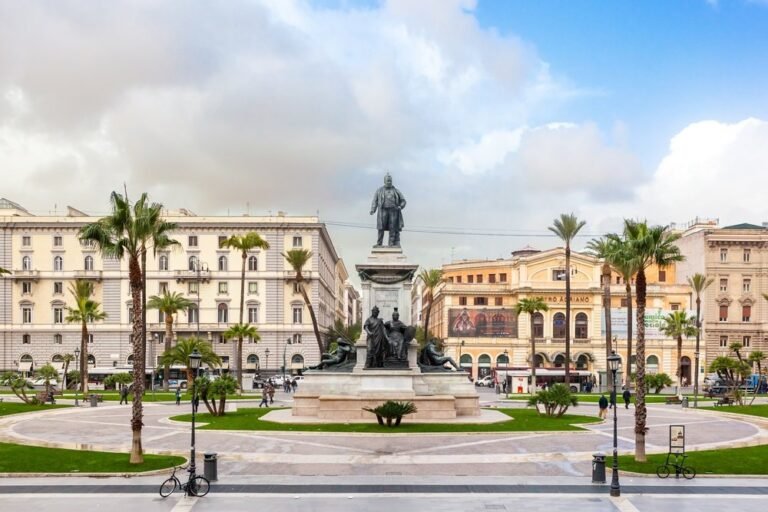
3-Day Rome Itinerary Near the Vatican: What to Do When It Rains in September
Day 1: Discovering the Vatican and Rome’s Wonders Begin your itinerary with a visit to the Vatican . We recommend arriving early to avoid the crowds. Don’t miss the Vatican Museums and the Sistine Chapel , where you can admire the masterpieces of Michelangelo. If the weather isn’t on your side, don’t worry: the indoor…
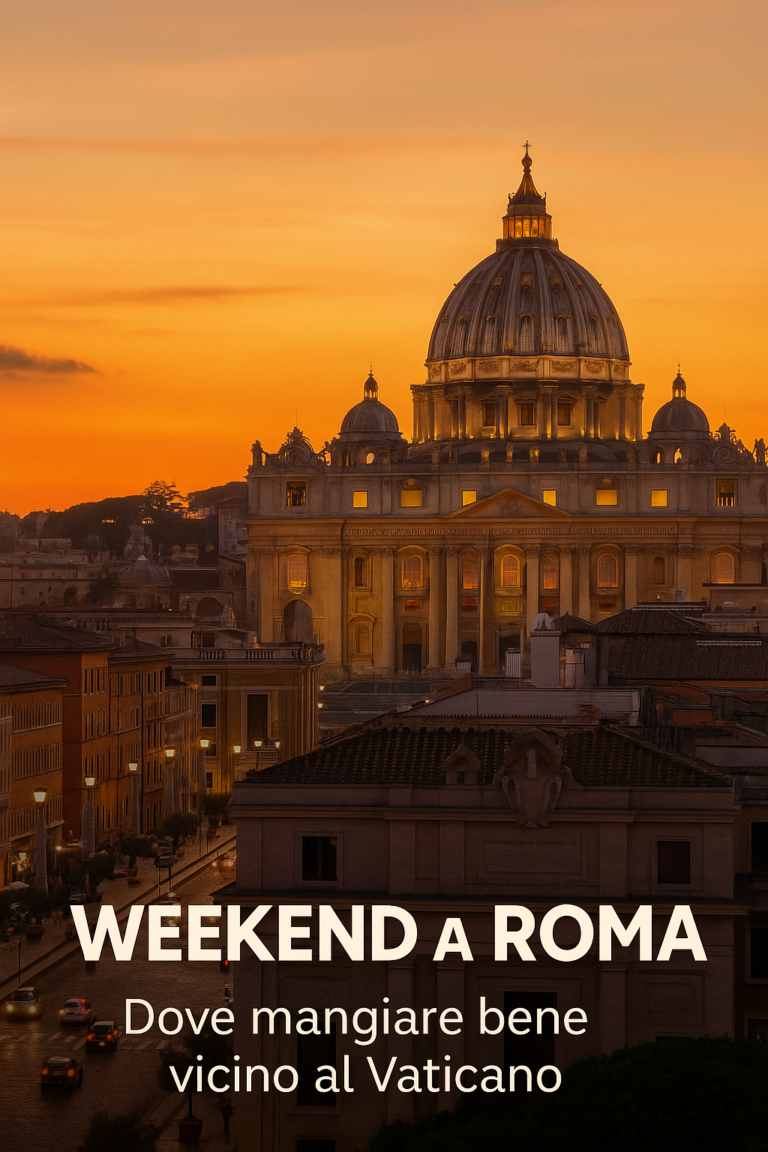
Budget Rome: Where to Eat Near the Vatican Without Compromising on Taste
Visiting Rome on a budget doesn’t mean ending up in the usual fast-food chains. In fact, just a short walk from the Vatican there are trattorias and osterie serving authentic Roman dishes at prices that are still reasonable. Here are 4 unmissable addresses: from the rustic osteria where there’s no printed menu, to the creative…
